





Wine
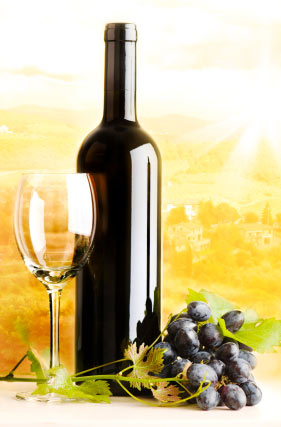
This is a beginner’s overview of how wine is made.
In theory, wine is made by growing grapes, picking and crushing them,
allowing their juices to ferment, and putting the resulting liquid into bottles.
However, for wineries, it's a bit more complex than this.
Vintners have important decisions to make during every step
in the wine making process. These decisions can either favorably or unfavorably
affect their final product.
The basic wine making steps are:
Choosing A Vineyard
The location chosen to plant wine grapes is perhaps the most important decision a wine maker has. Climate, weather, topography, and soil composition must be perfect for the vines to produce, and for the grapes to ripen properly.
Deciding When To
Harvest
The next most important factor in wine making is choosing
the right time to harvest (pick) the grapes.
The grapes must be harvested in peak condition for their
particular variety. Several factors will be considered including sugar levels,
color and taste.
It’s also important for grapes to be picked carefully so
they’re not bruised or split. Both hand picking and machine harvesting
procedures are both used today. Hand picking is the method preferred by many
fine wine producers and employed almost exclusively in
Preparation And Crushing
Next, the grapes will be separated from their stems and
leaves, usually by a special machine. If left in contact with the grapes too
long after harvest, stems give off a bitter unwanted taste.
It is at this point that red grapes will be treated differently than
white grapes.
White wine grapes are crushed and their juice is separated
from their skins.
Most red wines skins will remain with their juice to impart
their color, tannins, and flavor to the wine.
This is the essential difference
between
red wines
and
white wines.
Red wines owe their color and complex textures and flavors to the time their
juice remains in contact with their skins.
Fermentation
Fermentation is the process that converts a grape’s
naturally occurring sugar to alcohol. All wine grapes have some wild yeast
present already, but these yeast strains are very unpredictable.
Most wine makers today add specialized cultured yeasts to produce more
predictable results. Sugars may also be added.
Fermentation can take place in several types of vessels, depending upon
the type of wine being made.
Most often, stainless steel vats are used for white wines
and oak barrels, American or French, are used for red wines. The type of
fermentation vat or barrel chosen will also give the wine some of its flavor.
The proper length of time and correct temperature are very
important in fermentation.
At some time during the fermentation process or after fermentation, red wine skins are separated from their juice.
Racking - Fining - Filtering
Once the appropriate alcohol content has been reached and
fermentation is complete, the yeast and any other particles left behind must be
separated from the finished product.
This is done by racking (pumping just the liquid out of the
fermenting vat or container, fining (further clarifying the liquid), and
filtering if necessary.
Bottling and Aging
The final step in the wine making process is putting the
finished liquid into its bottle and labeling it. Some wines will be ready to
drink right away. Some (particularly reds) will be aged for a time before they
are released to the public.
Understanding Different Types of Wines
All types of wine fall into one
of these categories:
White Wine,
Red Wine,
Rose Wine,
Sparkling
Wine (including
Champagne),
Dessert Wine,
and
Fortified
Wine.
Within each of these categories will be several specific
grape types. An individual grape type is called a varietal.
A wine’s character and flavor
will be determined by the specific grape varietal grown and how those grapes are
treated throughout the
wine making
process.
-
White Wines,
see White Wines section
-
Red Wines,
see Red Wines section
-
Rosé Wines - The color of a rosé will be determined by the grapes used to make it.
All kinds of red wine grapes are used to make rosé.
Rosé is made one of three ways:
- In the first method crushed red-skinned grapes remain in contact with the juice
for a short period of time. The
grape skins are discarded when the grapes are pressed, rather than left
throughout fermentation as with red wine making. The longer the skins
are left in contact with the juice, the more intense the color of the
final wine.
- The second method, known as bleeding the vats, is
used to impart more tannin and color to a red wine by removing some pink
juice from red wine vats at an early stage. This removed juice is then
fermented separately, producing the rosé as a by-product of the red
wine. Bleeding was the method used to produce the once very popular
California White Zinfandel.
- The third method is by blending, the simple mixing
of red wine with white wine to impart color.
This method is discouraged in most wine growing regions and
has even fallen out of vogue in
Worldwide, dry rosé wine is preferable to sweet. Many
consider dry Spanish and French rose wine to be some of the best in the world.
Over the years, rose wines produced in the
However, this too is changing as
-
Sparkling
Wines, including champagnes - The characteristic all sparkling wines
have in common is the presence of bubbles, or that fizzy appearance and
taste we associate with sparkling wine.
The bubbles come from carbon dioxide that forms in the bottle during
fermentation. There is more than one fermentation process that will create a
sparkling wine. Throughout the world, different wine makers will use their
preferred production method and/or those required by the laws of their
individual region.
The most well known type of sparkling wine
is
Champagne.
The Spanish wine region of
United States, sparkling wine
cont’d
In addition to Domaine Chandon, several French champagne
producers have set up shop in the
Most now use the traditional champagne grapes of
Chardonnay, Pinot Noir and Pinot Meunier, plus Pinot Blanc.
One of the least familiar types of sparkling wine produced
in
-
Dessert Wines -
Dessert wine is meant to be enjoyed follow the main course of a meal.
Dessert wines are too sweet to drink with a main course, although some
people enjoy them before a meal as an aperitif. Like other wine, a dessert
wine is defined by the type of grape it's made from, where it's grown, and
how it's produced. The best dessert wine will have all the characteristics
that wine lovers look for - inviting aromas, complex flavors, velvety
textures and flavorful, memorable finishes.
What makes dessert wine sweet?
The earliest dessert wines were often sweet because they
had not completely fermented. The sweetness of today's dessert wines is often a
result of their naturally occurring sugars (glucose and fructose), which
increase the longer a grape ripens on the vine. The residual sugars in dessert
wine can also be the result of a freeze late in the harvest (as is the case with
ice wine), or a mold infection ("noble rot"). Another method used in the
creation of dessert wine is the addition of brandy which stops fermentation.
The most well known dessert wine
from
Canada
and
Germany
is their ice wine.
France
produces many fine dessert wines, their most famous is Sauternes.
Italy
also produces a wide variety of fine dessert wines.
-
Fortified
Wines
–
A fortified wine is a wine that is "fortified" with additional alcohol
that's been added to the base wine during fermentation, bringing the average
alcohol content up around 17-20%. Fortified wines can be made in either dry
or sweet styles (with the middle-ground of medium-sweet or medium-dry
covered in virtually all types of fortified wine categories).
Those most well-known are:
Port Wines (from
Sherry Wine (from
Port Wines
Port comes from the city of
Sherry Wine
Named for the port city in
Sherry can be light or dark, dry or sweet. The different
types of Sherry include: Fino - pale and dry, Manzanilla - pale and dry with a
salty flavor, Amontillado - dark and rich with a nutty flavor, Oloroso - medium
brown with a dry, rich flavor, Amoroso - brown and sweet, best as an after
dinner drink, and Cream - the sweetest sherry, best as an after dinner drink.
 © S&D Liquor, Inc. - All rights reserved
You must be 21 years or older to view or enter this web site.
All Rights Reserved. Web Design by E*Tap Marketing